Sprache auswählen

diam nonumy eirmod tempor invidunt ut labore et dolore magna aliquyam erat, sed diam voluptua. At vero eos et accusam et justo duo dolores et ea rebum. Stet clita kasd gubergren, no sea takimata sanctus est Lorem ipsum dolor sit amet. Lorem ipsum dolor sit amet, consetetur sadipscing elitr, sed diam nonumy eirmod tempor invidunt ut labore et dolore mag
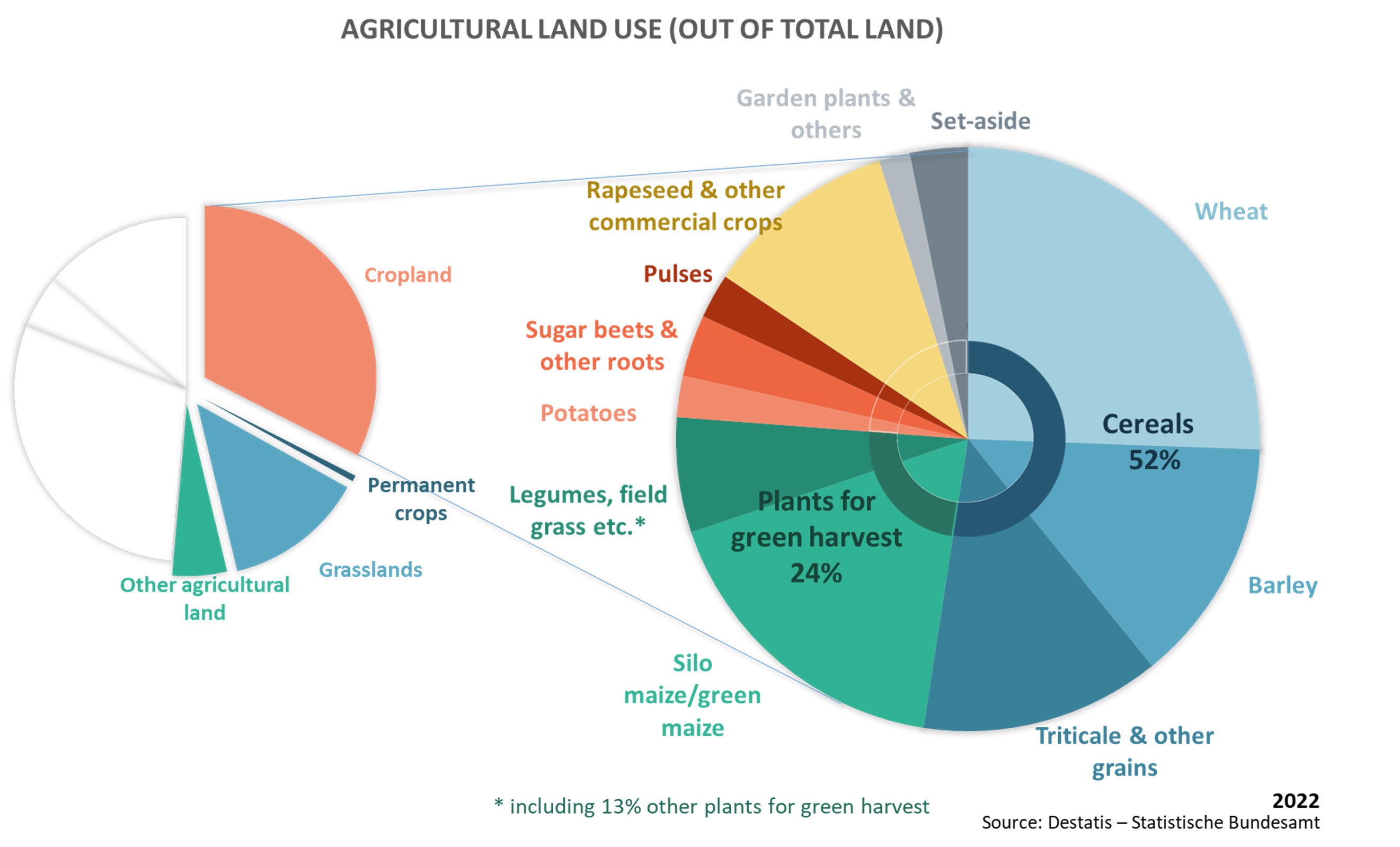
4 EN Crops and livestock fig.1

dolor sit amet, consetetur en, no sea tasadipscing elitr, [sed 2024]

diam nonumy eirmod tempor invidunt ut labore et dolore magna aliquyam erat, sed diam voluptua. At vero eos et accusam et justo duo dolores et ea rebum. Stet clita kasd gubergren, no sea takimata sanctus est Lorem ipsum dolor sit amet. Lorem ipsum dolor sit amet, consetetur sadipscing elitr, sed diam nonumy eirmod tempor invidunt ut labore et dolore mag

Available data fornonumy eirmod tempor invidun : data1.xlsx

Available data bore et dolore mon : data1.csv


A. Relevance and sustainability context

A.1 Policy relevance

#

A.2 Sustainability and / or comparative evaluation options

#

B. Data availability

B.1 Stage of development

#

B.2 Data sources

#

B.3 Coverage over time and replicability

#

B.4 Coverage across scales and sectors; compatibility

#

C. Considerations for operationalization

C.1 Feasibility: Fit for monitoring

#

C.2 Institutions

#

C.3 Future prospects

#

C.4 Costs, considerations and reproducibility

#

C.5 Potential for automation

#

C.6 Presentation options and breakdown / sub-indicator needs

#

C.7 Potential for scenario integration

#

C.8 Interlinkages and alignment with other monitoring activities

#

Further Comments

#

Legend

Tier

Tier I describes the 30 core, priority indicators defined by the project that are highly relevant to represent a specific thematic area and which together with other Tier I indicators forms a systemic perspective of the various risks, opportunities and trade-offs within the Bioeconomy.

Tier II describes explanatory indicators that are of high priority and help to provide more specific information on trends within specific thematic areas.

Stage of development

Established:
Indicators which are already reported in other official monitoring systems

Semi-established:
Indicators which are developed by e.g. federal research institutes as part of long-term and regularly updated initiatives

New
Indicators not previously reported in an official capacity, but well established through research projects

Developing
Indicators under development with some reporting in new state-of-the research projects, but not subject to multiple years of revision and replication

Future
Indicator gaps requiring research for possible future integration

Robustness

Very robust:
methodologically sound, reliable, and fit for bioeconomy monitoring

Robust:
fit, but with acceptable uncertainty and/or potential challenges

Sufficient:
possibly fit, but with foreseeable challenges

Weak:
currently unfit, but short-term potential

Insufficient:
currently unfit, but with long-term potential